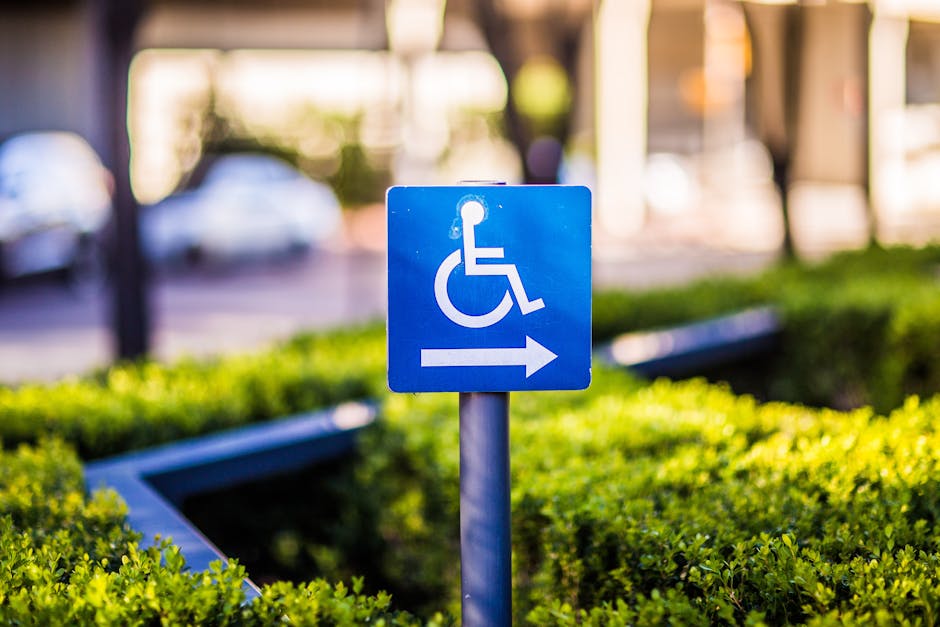
Hilly Fields Moves: Park-Side Access and Parking Tips
If you are planning a move near Hilly Fields, the big challenge is rarely the boxes themselves. It is usually the access. A narrow road, a parked car in the wrong place, a steep bit of pavement, or a van that cannot sit close enough to the entrance can slow everything down. That is why Hilly Fields moves: park-side access and parking tips matter so much. Get the approach right, and the day feels calmer, quicker, and far less stressful. Get it wrong, and even a small flat move can start to feel like a logistical puzzle no one asked for.
This guide breaks down how park-side access works around a green, busy neighbourhood setting, what to think about before the van arrives, and how to avoid the little mistakes that cost time. It also covers practical parking advice, safety checks, and when it makes sense to bring in experienced help such as a man and van in Brockley or a full house removals service.
To be fair, most moving-day headaches are predictable. Once you know where they tend to happen, you can plan around them.
Table of Contents
- Why Hilly Fields moves: park-side access and parking tips Matters
- How Hilly Fields moves: park-side access and parking tips Works
- Key Benefits and Practical Advantages
- Who This Is For and When It Makes Sense
- Step-by-Step Guidance
- Expert Tips for Better Results
- Common Mistakes to Avoid
- Tools, Resources and Recommendations
- Law, Compliance, Standards, or Best Practice
- Options, Methods, or Comparison Table
- Case Study or Real-World Example
- Practical Checklist
- Conclusion
- Frequently Asked Questions
Why Hilly Fields moves: park-side access and parking tips Matters
Moving near a park sounds pleasant on paper. You get greener surroundings, a less cramped feel, maybe even a decent view while you carry a sofa out the front. But park-side locations often come with their own movement constraints. Streets can be busier at certain times of day, parking can be limited, and access points may not line up neatly with the easiest loading spot.
That matters because moving is a timing game. If the van is parked too far away, every item takes longer to carry. If the driver has to circle because there is nowhere safe to stop, the day starts off tense. If the route from property to vehicle includes a tight gate, a slope, or a corner with poor visibility, your risk of knocks and slips rises. Small things, but they stack up quickly.
There is also the human side of it. On a move day, people are usually tired, a bit distracted, and carrying more than they should. A clear access plan around Hilly Fields reduces that pressure. It also helps protect your belongings, which is exactly why preparation around loading distance, parking, and entry routes should never be treated as an afterthought.
If you want broader moving advice alongside this local planning, the guide on stress-free house move strategies is a useful companion read, especially for larger or family moves.
How Hilly Fields moves: park-side access and parking tips Works
At the simplest level, the process is about narrowing the gap between your front door and the van while staying within local parking rules and keeping everyone safe. In practice, that means checking the street layout, understanding where loading is realistic, and deciding whether the move needs a short carry, a managed wait, or a more formal parking arrangement.
For a typical local move near Hilly Fields, the workflow often looks like this:
- Check the property frontage, footpath width, and any steps, slopes, or railings.
- Identify the nearest practical stopping point for a van.
- Work out whether parking suspension, loading only, or timed access is needed.
- Confirm whether the van can remain close enough to support efficient loading.
- Plan the movement order so the heaviest items go first, before fatigue starts creeping in.
The key point is that access planning and parking planning are not the same thing, though they need to work together. A vehicle may technically be able to stop outside the property for a minute, but that does not always mean it is safe, permitted, or practical for an entire removal.
In the real world, the best results usually come from a simple approach: keep the route short, the schedule clear, and the vehicle position legally sound. That may sound obvious, but obvious things are often the bits people discover too late.
If you are packing as well as moving, the advice in our comprehensive packing guide can help you keep boxes uniform and easier to carry, which is especially useful where the walking distance is longer than expected.
Key Benefits and Practical Advantages
Good park-side access planning is not just about convenience. It changes the whole shape of moving day.
- Shorter carry distances: Fewer steps between home and van means quicker loading and less strain.
- Lower damage risk: Items are handled fewer times and carried through fewer tight turns.
- Better timing: You can keep the move flowing instead of losing time to parking problems.
- Less stress for neighbours: A tidy, well-planned stop is far less disruptive.
- Safer handling: Lift-and-carry work becomes more controlled when the route is known in advance.
- Cleaner final handover: Less scrambling means fewer forgotten items, scuffs, or last-minute mess.
There is a quieter benefit too. A well-managed move feels more professional. Even if you are only moving a one-bed flat, a sensible loading point and sensible parking arrangement create a better rhythm. People know where to stand, what goes next, and when to stop blocking the path. That rhythm matters.
And if you are moving specialist furniture, the gains are even clearer. For bulky pieces, it may be worth reviewing furniture removals in Brockley so you can see how expert handling can reduce the burden when space is tight.
Who This Is For and When It Makes Sense
This kind of planning helps almost anyone moving near Hilly Fields, but it is especially useful in a few common situations.
- Flat movers: If you are on an upper floor, every extra metre to the van is felt in your arms and shoulders.
- Families with larger loads: More boxes, more furniture, more trips. Parking becomes a major part of the job.
- Students and sharers: Budget moves often rely on a small van and quick turnaround, so access needs to be efficient.
- Older properties: Period homes can have narrow entries, awkward steps, or limited frontage space.
- Last-minute moves: When timing is tight, you do not want to waste fifteen minutes hunting for a legal stop.
It also makes sense if you have awkward items such as a sofa, mattress, freezer, or piano. Those pieces do not forgive sloppy access planning. They are the items that expose weak spots in the move. Truth be told, a move can feel fine until the first awkward corner appears, then everything slows down.
For sensitive or high-value items, you may want to look at related guidance like piano removals in Brockley or the article on why moving a piano yourself carries real risks. Different item, same principle: access matters.
Step-by-Step Guidance
Here is the practical version. No fluff, just the sequence that usually works best.
1. Walk the route before move day
Do a short walk from the front door to the nearest realistic parking position. Look for steps, bins, dropped kerbs, narrow railings, overhanging branches, low walls, or anything that might catch a trolley or item corner. If you notice a tight turn, measure it roughly with your eyes and think honestly: would a mattress, wardrobe, or washing machine pass through here without a wobble?
2. Check parking restrictions and local conditions
Look out for permit zones, resident bays, loading-only spaces, school-time pressure, or peak commuter traffic. Hilly areas and park-adjacent streets can fill unexpectedly fast. Do not assume that a space near the property will still be available later in the day.
3. Decide how close the van needs to get
Not every move needs the van directly outside. Sometimes a short walk from the vehicle is fine. Other times it is a bad idea because the item list is too heavy, too fragile, or too awkward. A good rule is simple: if the item is large, delicate, or difficult to grip, minimise the carry distance as much as possible.
4. Prepare the loading zone
Move anything that blocks the path. That means bikes, bins, door mats, plant pots, and any small clutter around the entrance. If the pavement is likely to be crowded, leave enough room for pedestrians to pass safely. It is just common sense, really.
5. Load in the right order
Start with heavy and awkward items while everyone is fresh. Sofas, beds, and white goods should go on first if the route is straightforward. Use lighter items to fill gaps and protect edges. If you need extra guidance on specific pieces, the articles on moving beds and mattresses without damage and preserving sofa quality during storage are both useful.
6. Keep one person watching access
On busy streets, somebody should keep an eye on the van position, pedestrians, and any changes in street space. It sounds minor, but it saves a lot of faffing about. A clear caller or spotter can stop a trolley bumping into a kerb or prevent the van from being boxed in.
7. Re-check before you commit
Before the first heavy item comes out, pause and check whether the access plan still makes sense. Has a delivery van appeared? Is the street suddenly busy? Has the parking situation changed? If so, adapt early instead of halfway through a sofa carry. That half-minute of thinking can save twenty minutes of frustration.
Expert Tips for Better Results
These are the small improvements that make a move feel smoother. They are not flashy, but they work.
- Use two timing windows: one for the vehicle arrival and one for the main loading phase. That gives you breathing room if traffic slips.
- Have a backup parking plan: If the nearest bay is taken, know the next best option before the van arrives.
- Pack for carry efficiency: Smaller, evenly filled boxes are easier to move than oversized ones that sag or split. For more help, see the packing advice guide and packing and boxes service.
- Protect the route inside the home: Old paint, tight corners, and stair edges can be more vulnerable than you expect.
- Label fragile or priority items clearly: It prevents bad decisions when everyone is moving quickly.
- Take weather seriously: A damp pavement or a wet step changes grip, balance, and load control. London drizzle does not care about your schedule.
One small but useful habit: keep a cloth or towel near the entrance. If the weather is wet, it gives you a quick way to wipe grip points, handles, or box bottoms before they slide around. Tiny detail, big difference.
If you are worried about handling technique, our guide to kinetic lifting and tips for lifting heavy objects solo can help you move more safely, especially if you are helping with part of the job yourself.
Common Mistakes to Avoid
Most move-day problems around Hilly Fields are not dramatic. They are ordinary mistakes made under pressure. And yes, everyone is tempted by them at least once.
- Assuming parking will be easy: A good-looking street can still be inconvenient or heavily restricted.
- Ignoring the walking route: The van may be close enough, but the path from doorway to vehicle may still be awkward.
- Overpacking boxes: Heavy, top-heavy boxes slow everything down and increase the chance of injury.
- Leaving bins, bikes, or furniture outside: These are the exact things that trip people up when time is tight.
- Forgetting the neighbour factor: A quick courtesy check can prevent complaints or awkward interruptions.
- Not planning for rain or wind: Bags flap open, cardboard softens, hands slip. Basic stuff, but it matters.
Another common slip is trying to be too clever with the parking. If a space is technically close but makes turning, loading, or visibility worse, it may not be the best choice. Closer is not always better. Safer and steadier often wins.
Tools, Resources and Recommendations
You do not need a van full of specialist kit for every move, but a few practical tools make park-side access and parking much easier.
- Furniture blankets: Help prevent edge knocks when carrying items over a short but busy route.
- Straps and trolleys: Useful for heavier items and long walks from vehicle to property.
- Box tape, labels, and marker pens: Simple, but absolutely essential for keeping the load organised.
- Door protectors or covers: Handy for narrow entrances and older paintwork.
- Gloves with grip: Helpful in wet weather or when carrying awkward cardboard.
For storage planning, especially if your move is split over a few days, look at storage options in Brockley. That can take pressure off the parking plan if items need to be moved in stages rather than all at once.
If you are decluttering before the move, the guide on decluttering hacks for moving is worth a read. Less stuff means fewer trips, fewer boxes, and fewer arguments with gravity. Sounds good to me.
Law, Compliance, Standards, or Best Practice
For local moves, compliance usually comes down to common-sense parking practice, road safety, and respect for local restrictions. The exact rules can vary by street and council, so it is wise to check the current situation before move day rather than relying on memory or guesswork.
Best practice normally includes:
- parking only where the vehicle can stop safely and legally;
- not blocking driveways, crossings, or emergency access;
- keeping pavements reasonably passable for pedestrians;
- taking care around schools, junctions, and blind corners;
- using appropriate manual handling methods to reduce injury risk;
- following any building rules if you are moving from a managed block or estate.
From a safety point of view, the main standard is simple: don't improvise where the route is uncertain. Good movers work around constraints rather than forcing the issue. If you want to understand how a professional team approaches this, the health and safety policy and insurance and safety information are helpful places to look.
It is also sensible to review terms and conditions and pricing and quotes if you are booking support, so there are no surprises about timing, access expectations, or service scope.
Options, Methods, or Comparison Table
Different move types call for different access strategies. Here is a simple comparison to help you choose the best approach.
| Method | Best For | Pros | Limitations |
|---|---|---|---|
| Direct kerbside loading | Small to medium local moves with space outside the property | Fastest, shortest carry, easiest on the body | Depends on legal parking and availability |
| Short-walk parking | Residential streets with limited frontage | More realistic in busy areas, often easier to arrange | More carrying time, more chance of fatigue |
| Staged loading | Large moves or properties with difficult access | Improves control and reduces congestion at the door | Takes longer and needs better coordination |
| Professional assisted move | Heavy furniture, fragile items, tight streets, time pressure | Safer handling, better planning, less stress | Requires booking and clear service scope |
If you are unsure which method fits your situation, a local team that understands Brockley streets can save you a lot of trial and error. Sometimes the smartest move is just asking for help early, before the truck turns up and the street starts filling with cars.
Case Study or Real-World Example
Here is a realistic example based on the kind of move people often face near Hilly Fields.
A couple moving from a first-floor flat assumed they could park directly outside and load in under an hour. On the day, a nearby resident had already taken the closest space, and a delivery van blocked the remainder of the frontage for ten minutes. Instead of forcing a bad angle, they shifted to a secondary loading point a short distance away.
That change did cost them a little extra carrying time, but it prevented delays, kept the pavement clear, and made the loading safer. They also split the move into two phases: furniture first, boxes second. Slightly longer overall, yes, but much calmer. No one was rushing. No one was muttering under their breath, which is always a good sign.
The takeaway is simple: the best access plan is the one that still works when the street is not behaving perfectly. Because, let's face it, it rarely does.
Practical Checklist
Use this checklist the day before and again on the morning of the move.
- Confirm the moving time and estimated vehicle arrival.
- Check parking restrictions, permit needs, or loading rules.
- Walk the route from property to van.
- Clear bins, bikes, loose items, and obstacles from the entrance.
- Protect floors, corners, and door frames if needed.
- Prepare labels for fragile, heavy, and priority boxes.
- Keep a small tool kit, tape, pens, and scissors close by.
- Plan the loading order for heavy items first.
- Have water, snacks, and phone chargers ready.
- Agree on who is guiding the van and who is carrying.
- Check weather conditions and prepare for rain if needed.
- Keep contact details handy in case parking arrangements change.
If you are moving out of a rental, the guide on moving-out cleaning tips can help you avoid a last-minute scramble after the furniture has gone. That final clean always feels easier when the heavy lifting is done.
Conclusion
Hilly Fields moves are usually not difficult because of the packing alone. They become difficult when access, parking, and timing are left until the last minute. The good news is that these problems are very manageable once you plan for the street, the route, and the vehicle position properly.
Think short carry distances, legal parking, clear loading order, and sensible backup options. Keep the plan simple. Keep it safe. And if the move is bigger than it first looked, or the street is tighter than expected, bring in support that knows the area and knows how to work around real-world conditions.
Get a free quote today and see how much you can save.
If you would like to talk through your access needs before moving day, the team at contact us can help you work out the right approach. A calm move is rarely an accident. It is usually the result of a few good decisions made early.
Frequently Asked Questions
Do I need to arrange special parking for a move near Hilly Fields?
Not always, but you should check the street conditions carefully. If parking is limited, restricted, or likely to be busy, a more deliberate plan can save a lot of time on the day.
What is the best time of day to move in a park-side area?
Earlier is usually easier because streets tend to be calmer and parking is often less competitive. That said, the best time still depends on local traffic patterns, school runs, and any permit restrictions.
How close should the van park to the property?
As close as safely and legally possible. The shorter the carry, the better for bulky or fragile items. But a safe, legal stop is always better than squeezing into a poor position.
Can a man and van service help with parking issues?
Yes. A local man with a van in Brockley service can often adapt to tight streets, short loading windows, and awkward access more easily than a larger, less flexible setup.
What should I do if the closest parking space is already taken?
Have a backup spot in mind before the van arrives. If the street changes unexpectedly, it is better to switch early than to waste time arguing with the layout. A slightly longer carry may be the simplest solution.
Is park-side access a problem for flat moves?
It can be, especially if there are stairs, narrow hallways, or no lift. Flat removals often depend heavily on the parking plan because every extra metre matters when carrying boxes up and down.
How do I protect furniture when the carry distance is longer?
Use blankets, straps, proper boxes, and careful loading order. For more detailed help, see the flat removals and bed and mattress moving guide.
Should I book storage if parking is tight?
Sometimes, yes. If the move has to be split across more than one trip or the access is awkward, storage can reduce pressure and make the process more manageable.
What happens if it rains on moving day?
Plan for it. Wet pavement, slippery handles, and damp cardboard all make access harder. Keep covers, gloves, and towels handy, and try to keep the loading route as short as possible.
Are there any rules about blocking the pavement while loading?
You should avoid creating unnecessary obstruction. The safest approach is to keep the route clear enough for pedestrians and only stop where the vehicle can be positioned responsibly and legally. If you are unsure, check local guidance in advance.
How far in advance should I plan access and parking?
For a simple move, a few days may be enough. For anything larger, busier, or more restricted, a week or more gives you time to check parking, plan routes, and sort out any extra support you may need.
Is it worth using professional help for a small local move?
Often, yes, if access is tight or you have awkward items. A smaller move can still become complicated fast if parking is poor or the route is awkward. Professional support can make the day easier, not just faster.