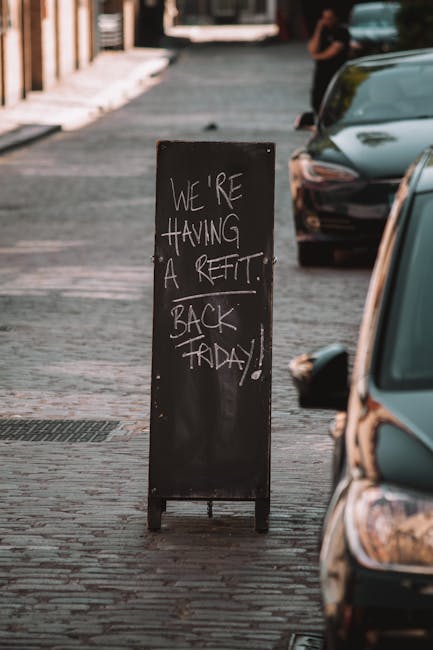
If you run a local shop on Brockley Rise, a refit can feel like a strange mix of excitement and mild chaos. One day the shelves are full, the next you're staring at stripped fixtures, boxed stock, and a tight deadline that does not care about your to-do list. That is exactly where shop refit removals on Brockley Rise for local traders becomes more than a moving job. It is a coordinated, careful process that protects your stock, keeps your business moving, and helps you reopen without unnecessary drama.
Whether you're refreshing a small retail unit, changing the layout of a high-street space, or handing over a site while fitting out another, the details matter. Timing matters. Packing matters. Access matters. And let's face it, one badly handled move can turn a straightforward refit into a week of lost trading. This guide breaks the whole thing down in plain English, so you can make the right calls with a bit more confidence.
For traders who want a broader view of moving support in the area, the pages on removals in Brockley SE4 and local removal services are useful starting points. If your project also includes stock, fixtures, or office space, you may find office removals in Brockley relevant too.
Table of Contents
- Why shop refit removals on Brockley Rise for local traders matters
- How the process works
- Key benefits and practical advantages
- Who this is for and when it makes sense
- Step-by-step guidance
- Expert tips for better results
- Common mistakes to avoid
- Tools, resources and recommendations
- Law, compliance, standards and best practice
- Options, methods and comparison table
- Case study or real-world example
- Practical checklist
- Conclusion
- Frequently asked questions
Why Shop Refit Removals on Brockley Rise for Local Traders Matters
Retail refits are not just about moving things from A to B. They're about protecting business continuity. On Brockley Rise, where local traders often work with limited frontage, narrow access points, and fixed trading hours, the margin for error is slim. A display unit left in the wrong place, a late van arrival, or a damaged till point can affect the whole day.
Shop refit removals are especially important because they sit between three different pressures: your trading schedule, the refit contractor's timeline, and the practical realities of the building itself. You may need to clear out shelving, move counters, store fixtures temporarily, and bring everything back in a different order. That is a lot to coordinate if you're trying to keep customers informed and staff calm at the same time.
There is also the matter of fragile, awkward, or expensive items. Think glass display units, slatwall systems, point-of-sale equipment, mirrors, refrigeration units, or branded furniture. These are not the kind of things you want handled in a rush. A sensible removals plan reduces breakages, avoids confusion, and makes it easier to reopen with your layout properly reset.
Key takeaway: a good refit removal service is not simply a van and a few hands. It is planning, protection, timing, and on-the-day coordination working together so your shop can close, refit, and reopen with less stress.
For traders who need a flexible team for tight-access collections or short-notice moves, a man and van service in Brockley SE4 can be a practical fit, especially for smaller loads or phased refits.
How Shop Refit Removals on Brockley Rise for Local Traders Works
The process usually starts with a survey or a quick discussion about what needs moving, what stays put, and what has to be protected. Good planning at this stage makes everything else smoother. You should expect questions about access, stairs, loading points, parking, the weight of fixtures, and whether anything needs dismantling before it can be moved.
After that, the job is typically broken into stages:
- Pre-refit clearing: stock, loose items, and small fittings are boxed and labelled.
- Fixture removal: shelving, counters, display units, and non-fixed items are taken out carefully.
- Protection and transport: delicate items are wrapped, strapped, and loaded securely.
- Temporary storage if needed: stock or fixtures may be held off-site while the refit happens.
- Return move and reinstatement: items come back once the fit-out is ready, often in a new arrangement.
That last stage is where a lot of traders breathe out. The room looks smaller empty than you expected, and then suddenly the new layout starts to make sense. Not magic, just careful sequencing.
Depending on the job, you may also need a removal van in Brockley SE4 for bulkier fixtures or a larger, more structured service if the move involves multiple stops, storage, or several team members. If the refit overlaps with back-office relocation, the dedicated office removals service can help keep documents, IT gear, and furniture separate from retail stock.
Key Benefits and Practical Advantages
The best shop refit removals do more than move things. They protect business value. That sounds a bit formal, but it's true. Your shelving, counters, stock, fixtures, and branding all have value - some obvious, some hidden.
Here are the main benefits local traders usually care about:
- Less downtime: a tidy plan shortens the gap between closing for refit and reopening for trade.
- Lower damage risk: proper wrapping, lifting, and loading reduce the chance of scratches, cracks, and crushed stock.
- Cleaner handover: builders and fitters can work faster when the space has been cleared properly.
- Better stock control: labelled cartons and inventory checks make it easier to find what you need later.
- Fewer last-minute surprises: access issues, parking limits, and awkward fittings are dealt with before moving day.
There is also a human benefit that people sometimes overlook. When your team sees a calm, structured removal rather than a frantic pile-up by the door, they usually settle into the project more quickly. Morale matters. A shop refit is already disruptive enough without everyone feeling like the wheels are wobbling.
If you are also sorting packaging supplies, the packing and boxes service is worth a look. And if the refit requires an in-between holding period, storage in Brockley SE4 can bridge the gap neatly.
Who This Is For and When It Makes Sense
This kind of removals support makes sense for a wide range of local traders, not just large retailers. In fact, some of the most complicated jobs are small ones. A compact boutique with delicate fixtures can be trickier than a bigger unit with wide aisles.
It is usually a good fit if you are:
- refitting a shop floor and need stock cleared quickly
- changing layouts in a cafe, salon, or specialist retail unit
- moving display stock while builders or decorators work inside
- combining a refit with a relocation to another unit nearby
- storing fixtures temporarily while you decide what stays and what goes
- opening a new premises and want the old site cleared without chaos
It can also make sense for landlords, franchise operators, and independent traders with seasonal stock pressures. A Christmas display move, a summer refresh, or a full brand reset each bring their own little headaches. Truth be told, the more moving parts there are, the more valuable a proper plan becomes.
If you are unsure whether you need a full removals team or a more flexible option, browsing man with a van in Brockley SE4 can help you compare the lighter-touch route with a broader removal setup. For businesses weighing up providers, removal companies in Brockley SE4 is a useful reference point too.
Step-by-Step Guidance
Here is the simplest way to approach a shop refit removal without making life harder than it needs to be.
- List everything that needs moving. Split items into stock, fixtures, equipment, and waste. That basic separation saves time later.
- Map the access route. Look at doors, steps, narrow corners, parking, and any delivery restrictions. A five-minute walk-through can save an hour on moving day.
- Decide what stays, what goes, and what gets stored. This is where many traders save money. Do not pay to move things twice if you can avoid it.
- Pack and label by zone. Use clear labels such as "front window," "counter," "back stockroom," or "fragile glass." Be specific.
- Protect the valuable stuff first. Bubble wrap, blankets, stretch wrap, corner protectors, and proper taping are not overkill when the item matters.
- Agree timing with everyone involved. Fitters, decorators, landlords, and the moving team should know the same schedule.
- Carry out a final sweep. Check sockets, shelves, drawers, under counters, and high ledges. The lost keys always seem to be there, somewhere.
- Reinstall in the right order. Bring back fixtures before stock, and stock before final merchandising. Otherwise you end up shuffling boxes around twice.
One small but useful habit: take photos before dismantling anything. Shelving systems, cable runs, signage positions, and display layouts are much easier to rebuild when you can see how they were arranged in the first place.
For packing advice that applies well to retail and mixed-use moves, the packing guide is practical reading. If you want a bit of motivational momentum before a big clear-out, the piece on decluttering hacks is also genuinely helpful.
Expert Tips for Better Results
A few small decisions can make a surprisingly big difference on a refit move. Nothing flashy. Just sensible stuff that avoids trouble.
- Use colour-coded labels. One colour for stock, one for fixtures, one for storage. Simple, but effective.
- Wrap items based on surface type. Glass, lacquered wood, metal, and fabric each need different protection.
- Keep a "first reopen" box. Put in tape, scissors, charger cables, till keys, cleaning cloths, extension leads, and anything else you'll need immediately.
- Separate fragile from valuable. Something can be valuable without being fragile, and fragile without being valuable. Treat both properly.
- Watch the loading order. Heavy items should be secured first, lighter and more delicate items layered safely on top or beside them.
- Think in zones, not just items. A shop moves better when everyone knows where things belong in the final layout.
There is a practical little truth here: the shop that reopens fastest is not always the shop that moved the most quickly. It is usually the one that packed best. Bit boring, maybe, but very true.
If your refit includes heavier furniture or specialised lifting, reading about safe lifting technique is worthwhile, and the article on lifting heavy objects safely gives a useful sense of what should and should not be attempted without proper help.
Common Mistakes to Avoid
Most problems in shop refit removals are avoidable. Usually they come from rushing, underestimating the amount of stuff involved, or assuming every item can be moved in the same way.
Watch out for these common errors:
- Leaving packing until the night before. That is how labels go missing and stock gets mixed up.
- Not measuring doorways or stairwells. Large counters and display units can become awkward very quickly.
- Ignoring temporary storage needs. If your refit slips by a few days, where will your fixtures go?
- Forgetting power and cable management. IT gear, tills, and lighting components need organised handling.
- Reinstalling stock before the fit-out is complete. Dust, paint, and tradespeople's tools do not mix well with new merchandise.
- Assuming all removal teams do retail work the same way. Shop refit removals need a different approach than a standard domestic move.
Another one that catches people out: not keeping a clear inventory. It only takes one misplaced box of accessories or one missing bracket to derail a reopening plan. Not the end of the world, but irritating in that very specific retail way.
If your move overlaps with home or mixed-use relocation, the guidance on house removals in Brockley SE4 may also help you think through packing discipline and sequencing.
Tools, Resources and Recommendations
You do not need a warehouse full of specialist gear for a good shop refit removal, but a few tools make life much easier. The right materials protect stock and fixtures, and they also speed up the move itself.
| Tool or resource | Why it helps | Best used for |
|---|---|---|
| Strong boxes and cartons | Keep stock organised and easier to stack safely | Merchandise, documents, small fittings |
| Bubble wrap and blankets | Protect delicate surfaces from impact and scratches | Glass, display pieces, counters |
| Stretch wrap | Holds drawers, cables, and loose parts in place | Furniture, shelving, bundled components |
| Labels and marker pens | Make unpacking and reinstatement much faster | Zone-based packing and stock control |
| Removal van | Provides secure transport and easier scheduling | Fixture moves, stock transfers, phased refits |
For most local traders, the combination of good packing materials and the right moving support is enough. If the job becomes more complex, such as moving between sites or holding stock off-site, then a more complete Brockley removals service can be a better fit than a single van trip.
One practical recommendation: keep a simple move sheet. Nothing fancy. Just a page with item categories, destination zones, dates, and contact names. It sounds old-school, but it saves time when everyone is asking the same question at 8:15 in the morning.
Law, Compliance, Standards, or Best Practice
Retail refit removals are not usually about heavy legal complexity, but there are still sensible standards to follow. In the UK, traders and movers should take care with access, manual handling, and safe transport practices. If staff members are helping with packing or lifting, they should not be asked to handle loads they cannot manage safely. That sounds obvious, yet it gets overlooked when deadlines are tight.
Best practice usually includes:
- clear agreement on who is responsible for what during the move
- safe lifting methods and proper team coordination
- careful handling of electrical items and cables
- protecting shared entrances, corridors, and loading areas
- keeping escape routes and fire exits clear while items are moved
- checking whether any items need specialist dismantling or reassembly
If you are storing goods between phases, it is sensible to think about condition, contamination, and access. Packaging should be clean and suitable for the item. Boxes should be labelled clearly. Fragile items should not be stacked badly just because the van is nearly full. That old "it'll be fine" approach is where trouble begins.
For practical support around packing standards and safe preparation, the moving-out cleaning tips piece can also translate well to retail handover prep, especially when you need a tidy site for the next trade team.
Options, Methods, or Comparison Table
Local traders usually have three broad options for shop refit removals. The right choice depends on how much you are moving, how quickly you need it done, and whether storage is involved.
| Method | Best for | Advantages | Trade-offs |
|---|---|---|---|
| Self-managed move | Very small loads and simple layouts | Lowest direct cost, full control | More time, more risk, more strain on staff |
| Man and van | Smaller refits, short-distance moves, phased jobs | Flexible, practical, usually quicker to arrange | May not suit larger fixtures or complex multi-stage jobs |
| Full removal service | Busy shops, fragile fixtures, storage, or full clearances | Better coordination, less burden on your team | Usually more planning needed upfront |
There is no universal winner. A tiny kiosk with a few shelves and a modest inventory might be fine with a light-touch approach. A boutique with display walls, mirrors, and a back room full of stock probably needs something more structured. To be fair, most traders know instinctively which camp they're in once they start listing everything out.
Case Study or Real-World Example
Here's a realistic example. A small independent retailer on Brockley Rise decides to refresh the shop floor before a seasonal launch. The owner wants a new layout, new counter positioning, and a cleaner back-stock setup. The shop is only closed for a short window, so every day matters.
Instead of moving everything at once, the trader splits the project into three phases. First comes the stockroom clear-down: slow-moving lines, spare packaging, and archive materials are boxed and labelled. Next come the display fixtures, which are carefully dismantled and wrapped. Finally, the van collects everything in a sequence that mirrors how the refit will unfold.
During the refit, a few items go into temporary storage rather than being stacked in the shop basement. That turns out to be the right call, because the fit-out runs a bit longer than planned. No panic. The trader still has access to the goods, and the reopening date remains realistic.
What worked well? Clear labels, a simple inventory sheet, and one person acting as the point of contact. What nearly caused trouble? A heavy glass unit that needed more hands than originally expected. A familiar story, honestly. But once the team adjusted, the rest of the move flowed properly.
If you are the sort who likes to see the people behind the service before booking, the about us page gives useful background on the company approach and how the team works with local customers.
Practical Checklist
Use this checklist before moving day. It keeps the refit move grounded when everyone else is talking about paint colours and lighting samples.
- Confirm the refit timeline and access times
- List all fixtures, stock, and equipment to be moved
- Measure any awkward items and access points
- Decide what will be stored, disposed of, or returned
- Label boxes by zone and priority
- Back up any digital records or till data if needed
- Pack cables, chargers, and small parts separately
- Protect glass, mirrors, screens, and delicate surfaces
- Set aside a reopening essentials box
- Walk through the shop at the end and check for forgotten items
If you need a little help making the final stage less frantic, the stress-free moving strategies article offers a few habits that translate surprisingly well to retail projects too.
Conclusion
Shop refit removals on Brockley Rise for local traders are really about keeping control of a busy process. When the removal side is planned properly, the refit feels more manageable, your stock is safer, and your reopening has a much better chance of going smoothly. That is the point, after all.
Whether you are moving a handful of display units or clearing an entire shop for a redesign, the smart approach is the same: plan early, label clearly, protect the fragile stuff, and choose a service level that fits the real size of the job. Small decisions at the start save big headaches later. Simple, but true.
If you want a more flexible option for smaller shop moves or phased refits, you can also look at the wider man with a van service and the broader removal services available in Brockley SE4. The right fit is the one that keeps your business moving without turning the project into a drama.
Get a free quote today and see how much you can save.
And if you're staring at a half-packed shop right now, take a breath. It's doable. One box, one fixture, one calm step at a time.
Frequently Asked Questions
What are shop refit removals on Brockley Rise for local traders?
They are specialist removals that clear, protect, move, store, and return shop stock, fixtures, and equipment during a refit or redesign. The focus is on speed, safety, and keeping business disruption as low as possible.
How far in advance should I book a shop refit removal?
Ideally, as soon as your refit dates are even roughly known. The earlier you plan, the easier it is to coordinate access, storage, and the return move. Short-notice help can work, but it leaves less room for sensible packing.
Can a man and van service handle a small shop refit?
Yes, for smaller loads or simple phased jobs, it can be a practical option. If the job involves heavy fixtures, multiple collection points, or storage, a more complete removal service may be better.
Do I need temporary storage during a shop refit?
Not always, but it is often useful if the refit takes place in stages or if the new layout is not ready when the old fixtures come out. Storage helps keep stock safe and the worksite clear.
What should I pack first in a retail move?
Start with low-priority stock, archive items, spare packaging, and loose back-room materials. Then move on to fixtures, display items, and anything fragile or expensive. A clear order saves a lot of backtracking.
How do I stop damage to glass display units and mirrors?
Use proper wrapping, corner protection, and careful handling by people who know how to move fragile items. Glass should not be allowed to rattle or slide inside a van, even for short trips.
Can shop refit removals include dismantling and reassembly?
Often, yes. Many retail moves involve taking down shelving, counters, and modular units before moving them, then rebuilding them later. It is best to confirm this early so the right tools and time are allowed for.
What happens if the refit runs late?
That is fairly common, to be fair. A good plan allows for some flexibility, especially if storage has been arranged. The key is to keep a buffer in the schedule and avoid booking the return move too tightly.
Are there any safety issues I should think about?
Yes. Manual handling, blocked access routes, electrical items, and heavy furniture are the main concerns. Staff should not be asked to lift beyond their ability, and the shop should remain safe for everyone working there.
How can I make reopening easier after the refit?
Pack by zone, keep a first reopening box, label everything clearly, and reinstall items in the right order. It also helps to have one person responsible for decisions on the day so messages do not get muddled.
Is this only for shops, or can other local traders use it too?
It is useful for many local business types, including salons, cafes, small showrooms, and mixed retail-office spaces. If the premises has fixtures, stock, and a deadline, the same principles usually apply.
How do I choose between different removal options?
Think about the size of the load, the fragility of the items, whether storage is needed, and how much help you want on the day. If you are unsure, start by comparing a flexible local option with a fuller service and see which one fits the project better.